
banner
NEWS

Galvanizing process flow & time for each step

2026-07-10 15:17:03

Galvanizing Processes mainly include hot-dip galvanizing (HDG) and electro-galvanizing (cold galvanizing). The process sequences and processing durations vary significantly depending on workpiece material, thickness and anti-corrosion requirements. General standard parameters are listed below:

I. Hot-Dip Galvanizing (Mainstream Process for Long-Term Anti-Corrosion of Steel)

Process Flow: Workpiece Pre-Inspection → Degreasing → Water Rinsing → Pickling & Descaling → Water Rinsing → Flux Treatment → Drying → Hot-Dip Galvanizing → Cooling → Passivation → Finished Product Inspection

Workpiece Pre-Inspection: Check dimensional tolerances, remove welding spatter and weld beads, drill vent and zinc overflow holes, and mark parts with acid-resistant paint (10–30 minutes per batch).

Degreasing: Immerse workpieces in 3%–5% alkaline degreaser at 50–60°C for 10–15 minutes; processing time can be reduced to 5–8 minutes with ultrasonic assistance. Qualification standard: continuous intact water film without breakage for 30 seconds after rinsing.

Pickling & Descaling: Soak workpieces in 15%–25% hydrochloric acid mixed with corrosion inhibitor at ambient temperature for 10–20 minutes. Extend to 30 minutes for heavy oxide scales; rinse with water until neutral pH is achieved.

Flux Treatment: Dip in ammonium chloride-zinc chloride solution at 20–40°C for 1–3 minutes to form an active protective film and prevent re-oxidation.

Drying: Hot air drying at 100–120°C for 3–5 minutes to avoid zinc splashing caused by moisture entering the zinc kettle.

Hot-Dip Galvanizing: Zinc bath temperature maintained at 440–460°C. Immersion duration: 1–2 minutes for workpieces ≤3 mm thick, 2–3 minutes for 3–6 mm thick parts, 3–5 minutes for parts ≥6 mm thick. Vertically immerse and withdraw workpieces at a constant speed to avoid zinc buildup lumps.

Cooling: Cool in warm water at 60–80°C for 2–5 minutes to prevent workpiece deformation.

Passivation: Dip in chromate or chromium-free passivation solution for 1–2 minutes to improve corrosion resistance.

Finished Product Inspection: Test coating thickness (minimum 65 μm) and coating adhesion; repair bare galvanizing areas (10–20 minutes per batch).

Total processing time: 1.5–2.5 hours per batch for small workpieces; 3–4 hours for large structural components.

362.jpg

II. Electro-Galvanizing (Thin Coating Process for Precision Components)

Process Flow: Pre-Treatment → Electro-Galvanizing → Post-Treatment

Pre-Treatment: Chemical Degreasing (alkaline solution at 70–80°C for 1–2 min) → Water Rinsing → Surface Conditioning (sodium carbonate-ferric nitrate solution at room temperature for 2–3 min) → Activation (phosphoric acid-ammonium bifluoride solution at 20–80°C for 1–10 min) → Water Rinsing.

Electro-Galvanizing: Adopt cyanide bath, alkaline cyanide-free bath or acidic galvanizing bath with current density of 1–5 A/dm². It takes 10–30 minutes to form a 5–20 μm coating, and up to 60 minutes for thicker coatings; intermediate water rinsing is required during plating.

Post-Treatment: Water Rinsing → Passivation (30 seconds–1 minute for iridescent passivation, 1–3 minutes for olive drab / black passivation) → Hot Water Rinsing → Drying (60–80°C for 5–10 minutes).

Total processing time: 40–80 minutes per batch for small-lot precision parts.

Key Differences Between the Two Processes

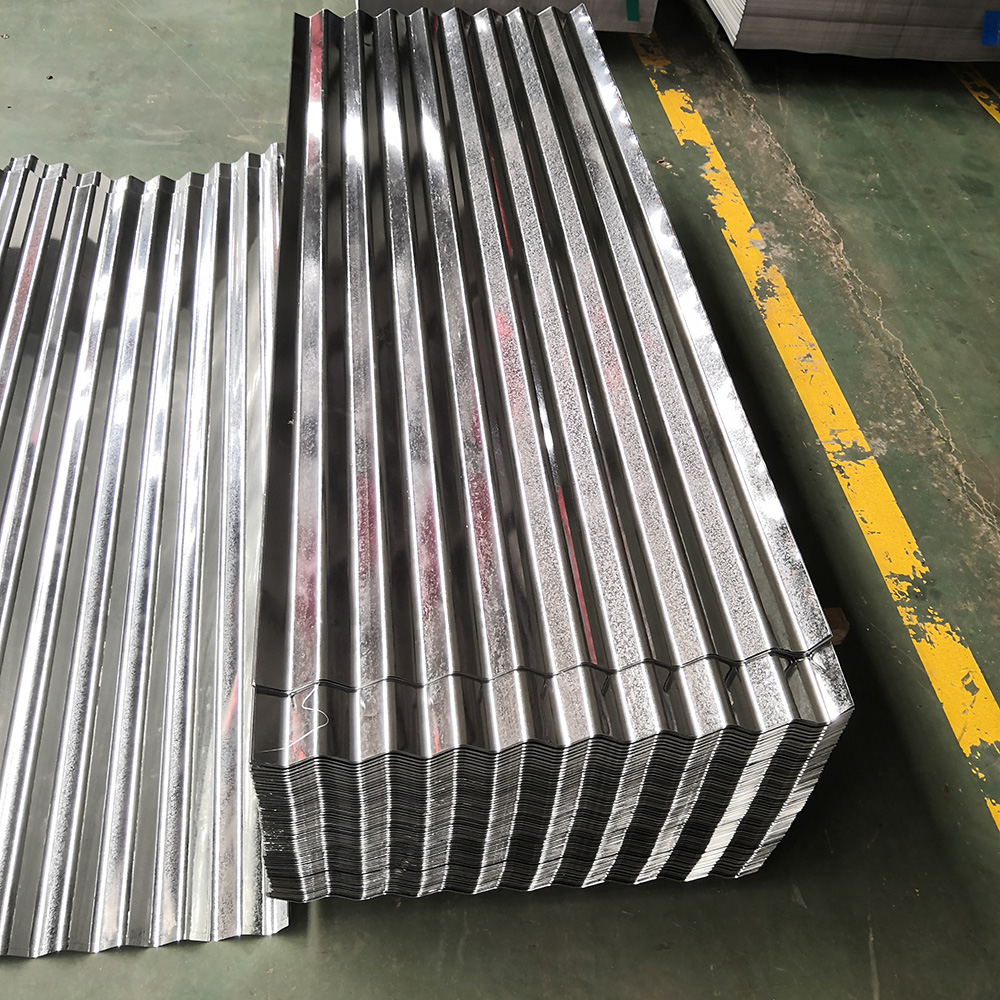
Hot-dip galvanizing: Metallurgical bonding between coating and substrate, thick coating (65–120 μm), superior corrosion resistance, suitable for outdoor steel structures.

Electro-galvanizing: Electrochemical deposition coating, thin film (5–30 μm); passivation treatment is required to enhance anti-corrosion performance, ideal for auto fittings and electronic components.

Notes for Special Workpieces

Process parameters shall be adjusted for special workpieces such as aluminum/magnesium alloys and threaded parts. Strong alkaline degreaser is prohibited for aluminum workpieces; pickling time for threaded components shall be shortened to 5–10 minutes to avoid over-corrosion. All specific parameters shall comply with the official process card.

363.jpg


Leave a message Leave a message
If you are interested in our products and want to know more details,please leave a message here,we will reply you as soon as we can.