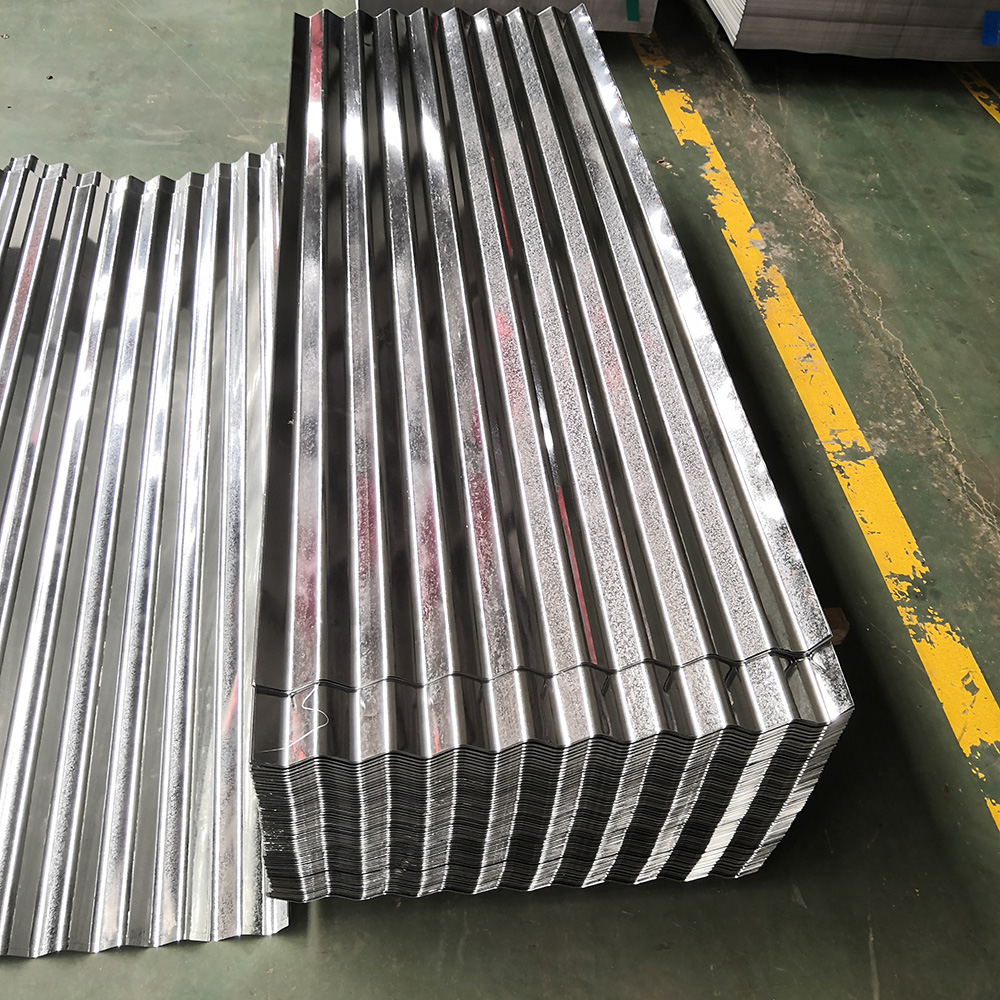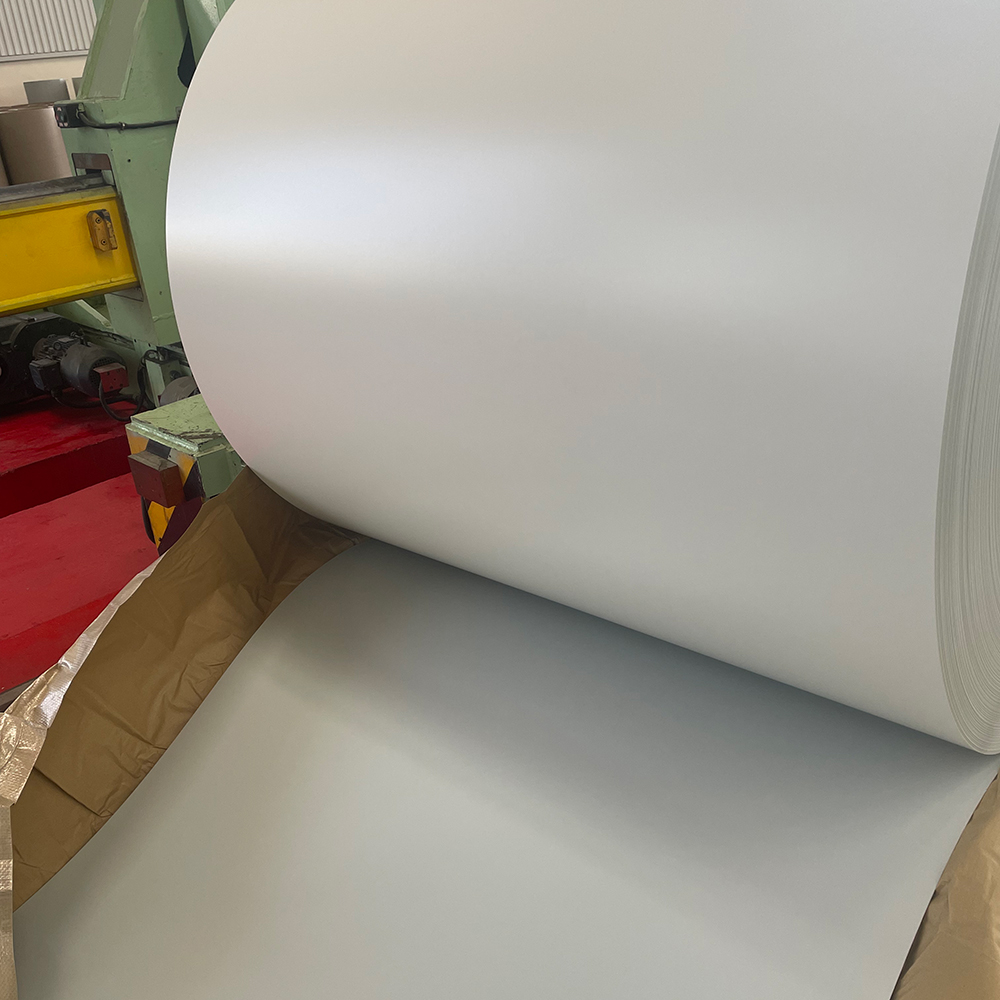

Consmos Metal, a leading building materials supplier, provides high-performance Color Steel Tiles, durable, efficient, and aesthetic , they are ideal for modern construction.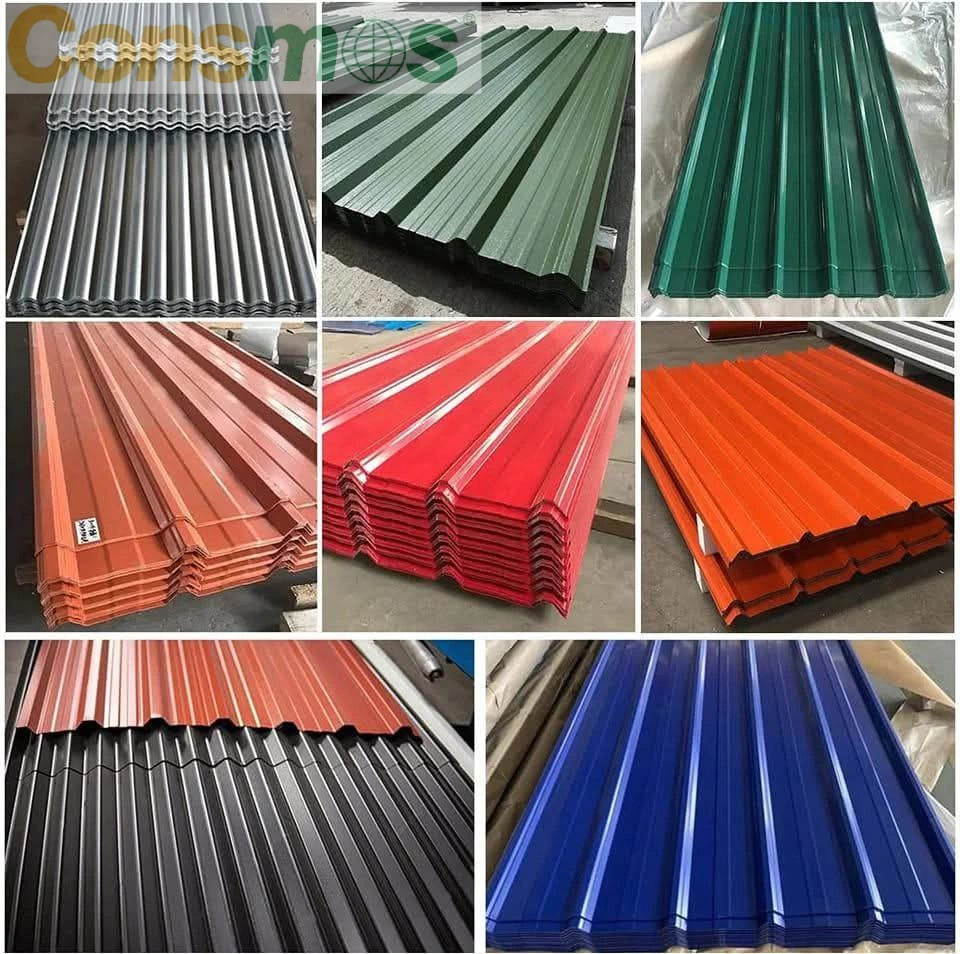
What are Color Steel Tiles?
Color steel tiles are metal roofing/wall panels made from coated galvanized or galvalume steel, roll-formed into structural profiles. They are valued for high strength, corrosion resistance, and versatility in industrial, agricultural, and prefab steel buildings.
I. Core Product Classifications
By Substrate:
Hot-dip Galvanized (GI): Zinc-coated. Strong rust resistance, cost-effective. Ideal for humid environments.
Hot-dip Aluminized Zinc (AZ): Superior corrosion & oxidation resistance. Longer lifespan; recommended for coastal/high-salt areas.
Cold-Rolled (CR): Budget-friendly, coating-dependent protection. Best for dry indoor or temporary use; avoid long-term outdoor exposure.
2. By Wave Shape (Profile):
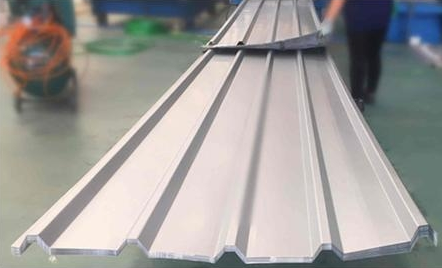
Standing Seam: High profile, interlocking seams. Excellent sealing, wind, and snow load resistance. Ideal for large-span factory roofs.
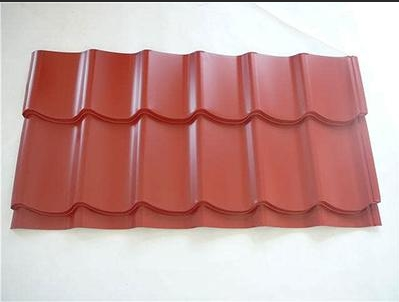
Roof Sheeting (e.g., Type 840/900): Balanced profile height for easy installation and cost-effectiveness. Versatile for both roofing and wall applications.
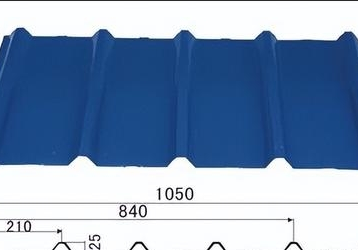
Wall Sheeting (e.g., Type 950/980): Low-profile, flatter surface designed primarily for aesthetic and protective wall cladding.
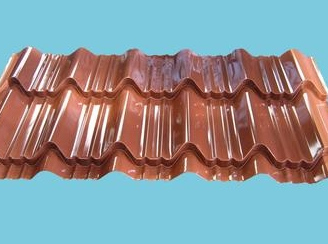
Tile-Imitation Profile: Mimics traditional clay or slate tiles. Combines durability with decorative appeal, perfect for scenic spots and residential projects.
3. By Coating Type:
PE: Basic, cost-effective, 5-8 yrs, inland.
SMP: Better UV/flexibility, 8-12 yrs, moderate corrosion.
HDP: High durability, 10-15 yrs, harsh outdoor.
PVDF: Premium, >15-20 yrs, coastal/industrial.
II. Key Performance & Selection Parameters
Thickness: 0.3–0.8mm (strength).
Coating: Front 20–30μm, back 10–15μm.
Zinc mass: e.g., Z100–Z275 (rust protection).
Cover width: Effective coverage per sheet.
Weathering: PVDF > HDP > SMP > PE.
Fire: Class A (steel only).
III. Advantages and Considerations
Advantages:
Lightweight (10–14kg/m²), fast install, colors, waterproof, rustproof, recyclable.
Practical Considerations:
Needs insulation layer; coating scratches must be repaired; wind resistance depends on installation.
IV. Common Application Scenarios
Industrial: Factories, warehouses.
Commercial: Markets, canopies, prefab houses.
Temporary: Site offices, shelters.
Decorative: Facades, signage.
V. Procurement and Usage Guidance
Industrial: Factories, warehouses.
Commercial: Markets, canopies, prefab houses.
Temporary: Site offices, shelters.
Decorative: Facades, signage.
#BuildingSolutions #MetalSheeting #Rooftop #ConstructionIndustry #Supplier #Manufacturer
Linyi Consmos Metal Material Co., Ltd. specializes in exporting various products such as colored stone tiles, galvanized aluminum zinc, colored coated steel coils, aluminum coils, stainless steel, and tinplate
Please read on, stay posted, subscribe, and we welcome you to tell us what you think.